Your campus dining plan is pitched as a convenient, no-fuss way to guarantee your meals without cooking or grocery shopping. But they’re a prime student money trap.
Underneath that polished sales pitch is a business model designed to keep your prepaid dollars flowing through campus dining halls and cafeterias — no matter how often you actually eat there. Understanding this setup is key to making your meal plan work for you instead of against you.
How Schools Make Their Money
The dining plan system is a closed loop. You often have to buy in, especially if you’re a freshman and required to purchase the most expensive plan bundled with your housing. This model guarantees a baseline revenue for both the university and their contracted food service companies, regardless of how much you actually consume.
More Than Just Food on Your Plate
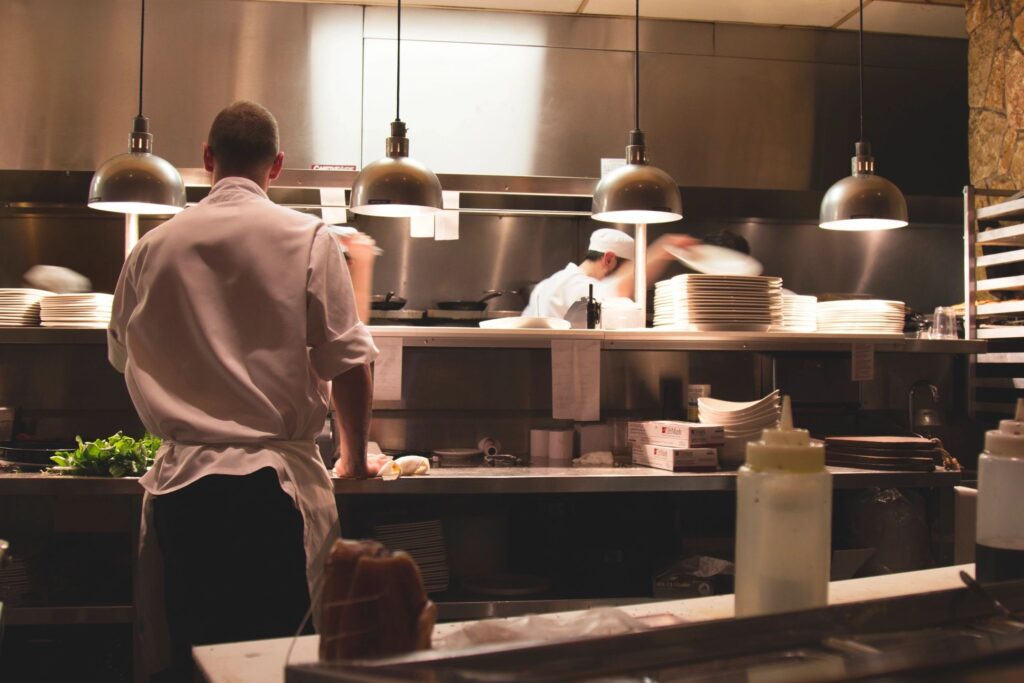
The cost of your plan covers more than just the food you eat. It’s a bundled price that includes fixed overhead like kitchen staff salaries, utilities, equipment leases, and dining hall maintenance — costs that remain the same even if you skip meals. On top of that, many universities contract with large food service providers such as Aramark, Sodexo, or Compass Group. These companies sign multi-year contracts guaranteeing minimum revenue. They get paid regardless of how many meals students eat.
Where the Real Profit Comes From
The true profit comes from unused swipes (breakage) and inflated prices on flex dollars spent in monopoly dining locations. A captive market with limited options and inflated prices circulates your prepaid dollars. Industry averages suggest 15-25% of meal swipes go unused each semester, turning into pure profit for the school and their dining partners.
The Markup on Meal Plans
Some universities take their cut from the top. A student may pay $2900 for a meal plan, but only get about $800 in actual dollars to spend in the campus dining halls. From the start the school has made $1100 on the plan. Often, a student “tops up” their dining card with extra money once they exhaust their initial plan dollars. So that $2900 plan can easily surge to costing the student well over $4000, depending on usage.
Campus dining dollars or flex cash function as restricted credits you can only use on campus, where prices run higher than at local grocery stores or cafés. For example, you might pay $2 for a bottled water at your corner store but $3.50 at the campus café, while a bag of Lay’s chips could cost $1.50 off-campus and $2.50 inside. This price gap erodes your plan’s real value, even when you think you’re “just spending” prepaid flex dollars.
Real-World Planning and Snacking Examples
Planning your visits around the most expensive meals helps stretch your plan. At many schools, dinner buffets or specialty “theme nights” include steak, seafood, or pasta dishes, often valued at $18–$22 per meal on campus. Using swipes during these times nets you more bang for your buck compared to grabbing a sandwich and soda for lunch.
Before exams or long weekends, students often stockpile portable snacks to carry them through breaks when dining halls close. Granola bars like KIND Bars or Nature Valley, single-serving peanut butter packs from Justin’s, and shelf-stable protein shakes such as Premier Protein can be bought with flex dollars. For example, at the University of Texas, a student used her flex cash to buy a case of Premier Protein shakes (around $2.50 each) and Cliff Bars ($1.75 each) from the campus market, turning one flex dollar swipe into multiple meals on the go.
Some dining halls allow meal swipes to be redeemed for “to-go” packaged items like sandwiches, salads, and bottled beverages. Leveraging this option, a student at Ohio State University would swipe once for a hearty chicken Caesar wrap, a side of mixed berries, and a bottled La Croix sparkling water to keep in his dorm mini-fridge — ensuring a single swipe covered a lunch and a snack for later.
Strategies to Make Your Plan Last Longer and Deliver More Value
To get ahead, treat your meal plan like a budget, tracking the true cost per swipe and setting a minimum value you expect from each one. Don’t waste swipes on low-value items like coffee or snacks unless bundled with a meal. Instead, use swipes strategically during high-value meals — dinners with protein-rich options or specialty events — and use your flex dollars for supplemental snacks.
Stock your dorm with long-lasting snacks purchased on campus before breaks. Items like Justin’s Nut Butter packs ($1.50 each), KIND bars ($2+), and single-serving Greek yogurts are calorie-dense, portable, and keep you fueled when dining halls are closed.
When possible, take advantage of to-go meal options. Redeeming one swipe for a packaged sandwich, fruit cup, and bottled water can provide two or three separate eating occasions. This strategy is especially useful when your schedule is hectic, and you need meals on the run.

Stretching Your Meal: Getting More from Meat, Veggies, and Carbs
When you’re paying $12 to $15 per swipe, every meal counts. The goal is to maximize both quantity and nutritional value so you feel full longer and don’t need to waste additional swipes on snacks later.
Start by focusing on balance: protein for muscle repair and satiety, fiber-rich vegetables for volume and digestion, and carbs to fuel your energy. But instead of grabbing a standard entree portion, think about ways to build your plate with extras from the salad bar, sides, or soup stations—often included or available at low additional cost.
For example, say you choose grilled chicken as your protein. Don’t just take a single small breast. Load up by adding a hearty scoop of quinoa or brown rice from the carb station, which adds fiber and complex carbs to keep you energized. Complement that with steamed broccoli or roasted carrots—high-fiber, low-calorie veggies that fill you up without extra fat or sugar.
Many dining halls also have soup stations. A cup of vegetable or bean soup can be a great addition that stretches your meal further by adding bulk and warmth at little or no extra cost. Combining soup with your plate creates a satisfying multi-course meal from one swipe.
At some campuses, like the University of Florida, students report great success pairing a swipe for the hot entree with an all-you-can-eat salad bar visit. By loading a plate with leafy greens, chickpeas, cherry tomatoes, and cucumbers, they add volume and nutrients. Then topping the salad with shredded cheese, nuts, or a boiled egg bumps up the protein without needing another full swipe.

Rethink Breakfast
Another hack is to leverage dining hall breakfast offerings—often undervalued but packed with hearty options like eggs, oatmeal, and fresh fruit. By combining a protein-rich breakfast with a smaller lunch or dinner swipe, you balance calories throughout the day and avoid overloading any one meal.
If your dining plan allows, taking a “to-go” box can help. Portion out leftovers—like extra roasted veggies or grains—into your box to eat later as a snack or light meal. This way, one swipe can effectively cover two or even three eating occasions.
Finally, remember that timing matters. Eating a larger, balanced meal before heavy classes or workouts keeps you fueled longer, reducing the urge to burn additional swipes on impulsive snacks or quick fixes.
In essence, stretching your meal means turning one swipe into a full, nutrient-packed feast by combining protein, carbs, and plenty of veggies, plus low-cost extras like soup or salad bar additions. This thoughtful plate-building makes your dining plan work smarter—not harder—so you get the most nutrition and satisfaction per swipe.
Meal Plan Refunds and Rollovers
Finally, keep an eye on the fine print for refund or rollover policies. Some schools allow dining dollars to roll between semesters or refund unused balances under certain conditions. Timing your spending to avoid losing prepaid value is crucial.
Understanding the economics behind your campus dining plan isn’t just savvy—it’s essential to getting the most for your money and your meals. By planning carefully, making high-value choices, and stocking up smartly, you shift from being a passive consumer to an active strategist. That’s how you reclaim control and stop feeding the system at its own game.
