Back when ingredients were scarce and wallets were thin, home cooks became quiet geniuses of the kitchen. Sugar was rationed, butter was a luxury, and chocolate was often a dream—but flavor? They never gave that up.
The desserts from the Depression and a few from the 1940s, and 1950s weren’t about excess; they were about invention. They turned scraps into sweetness and leftovers into joy. Today, they still hit just as hard—simple, affordable, and nostalgic enough to make your kitchen feel like a time machine back to when “making do” was an art form.
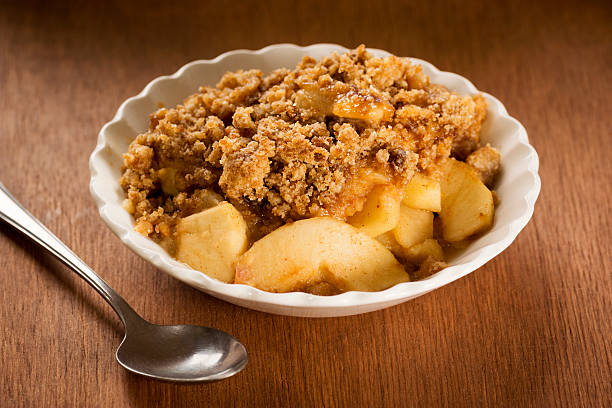
Apple Brown Betty
During the Great Depression, the Apple Brown Betty became a symbol of comfort in lean times. Families learned to stretch every ingredient, and this dessert turned scraps into something special. With no need for pie crust or expensive butter, homemakers layered sliced apples with bits of stale bread, sugar, and a touch of spice—whatever they had on hand. Baked until golden and crisp on top, it filled the kitchen with the smell of home when luxuries were few. Served warm with a drizzle of milk, it was a humble indulgence that proved sweetness could still be found, even in hardship.
Ingredients:
4 cups sliced apples
1 cup brown sugar
1 cup breadcrumbs or crushed stale bread
½ teaspoon cinnamon
¼ teaspoon nutmeg
4 tablespoons melted butter
Instructions:
Preheat oven to 375°F. Layer apples, crumbs, sugar, and spices in a buttered baking dish. Drizzle with melted butter and repeat layers. Bake for 35–40 minutes until bubbly and golden brown. Serve warm with cream or ice cream.
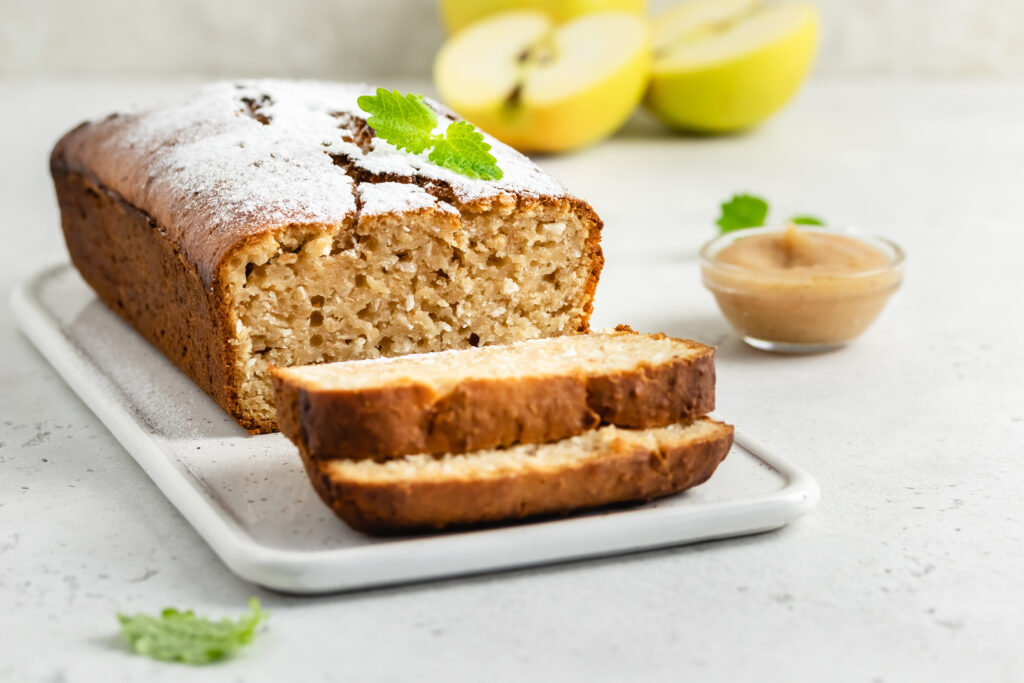
Applesauce Cake
In the lean years of the Great Depression, applesauce was more than a pantry staple—it was a quiet hero in countless kitchens. When butter, eggs, and oil were too costly or scarce, a jar of homemade applesauce stepped in to keep cakes moist, tender, and full of flavor. Spiced with cinnamon and nutmeg, this cake carried the warmth of home and the ingenuity of those who made do with what they had. Every slice tells a story of resilience and resourcefulness—a humble dessert that turned simple ingredients into something deeply comforting.
Ingredients:
1 ½ cups flour
1 teaspoon baking soda
½ teaspoon salt
1 teaspoon cinnamon
½ teaspoon cloves
½ teaspoon nutmeg
1 cup unsweetened applesauce
½ cup sugar
¼ cup brown sugar
¼ cup vegetable oil
1 teaspoon vanilla
Instructions:
Preheat oven to 350°F. Mix applesauce, sugars, oil, and vanilla. Combine dry ingredients separately, then mix together. Pour into a greased loaf pan and bake 35–40 minutes.
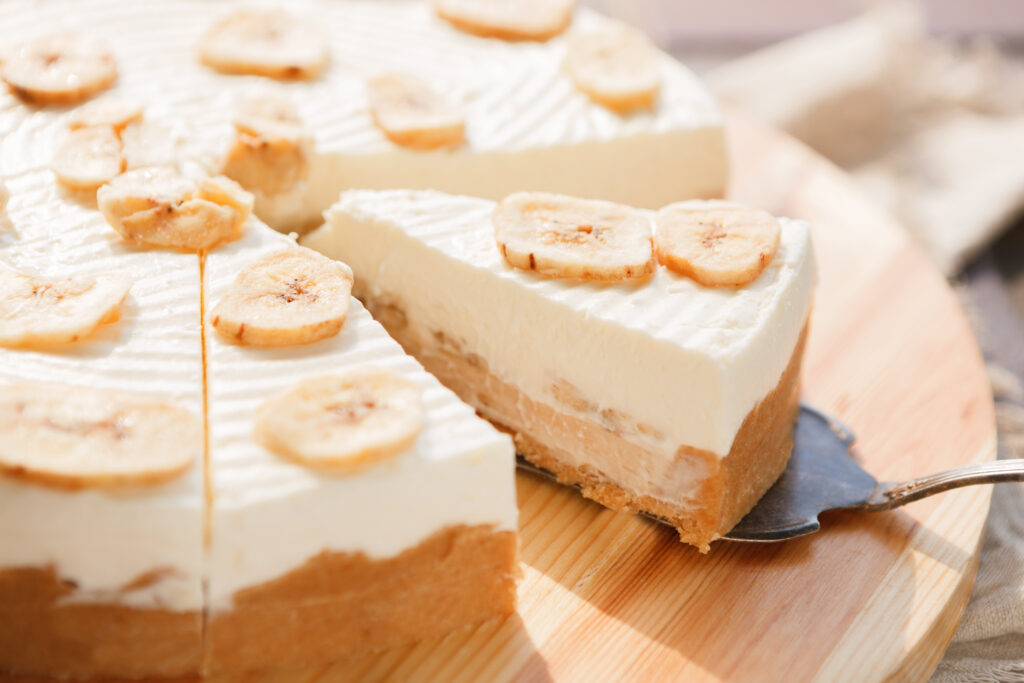
Banana Cream Pie
By the 1950s, America was eager for a taste of optimism, and Banana Cream Pie delivered just that. After years of rationing and thrift, this dessert felt downright luxurious—but still relied on simple, affordable ingredients. Bananas were plentiful and inexpensive, and the custard base used pantry staples like milk, sugar, and eggs. Poured into a flaky crust and topped with whipped cream, it became the picture of mid-century comfort and style. Each silky bite was a small celebration of better days—a reminder that even on a budget, life could feel sweet again.
Ingredients:
1 baked pie crust
2 cups milk
½ cup sugar
3 tablespoons cornstarch
¼ teaspoon salt
3 egg yolks, beaten
2 tablespoons butter
1 teaspoon vanilla
3 bananas, sliced
Whipped cream for topping
Instructions:
In a saucepan, whisk sugar, cornstarch, and salt with milk. Cook until thickened. Stir in yolks, then cook two more minutes. Add butter and vanilla. Layer bananas in crust, pour custard over, and chill. Top with whipped cream.
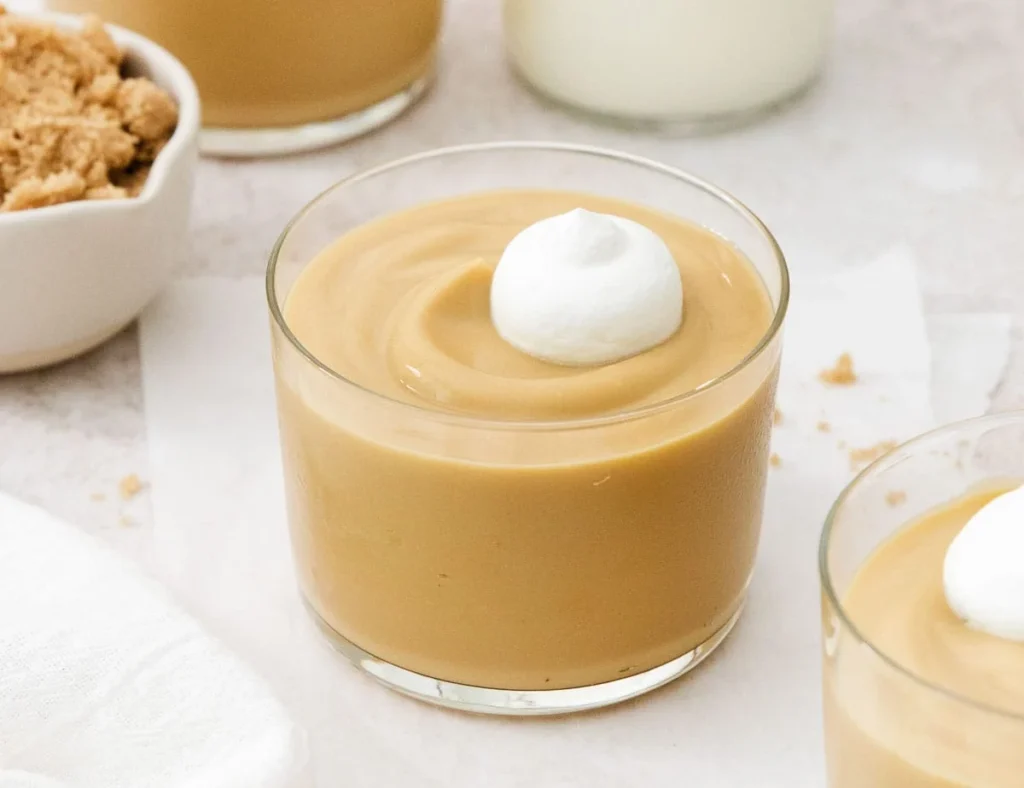
Butterscotch Pudding
During the lean war and post-Depression years, when sugar and butter were precious commodities, Butterscotch pudding was made from simple staples—brown sugar, milk, and a touch of butter—it transformed modest ingredients into something rich and golden. Its smooth, caramel flavor brought warmth to cold kitchens and lifted spirits when times were hard. A spoonful of butterscotch pudding was more than dessert—it was comfort, thrift, and a reminder that sweetness could still be found in simplicity.
Ingredients:
1 cup brown sugar
3 tablespoons cornstarch
¼ teaspoon salt
2 cups milk
2 tablespoons butter
1 teaspoon vanilla
Instructions:
Whisk sugar, cornstarch, and salt in a saucepan. Slowly whisk in milk and cook over medium heat until thickened. Remove from heat, add butter and vanilla, and stir until smooth. Chill before serving.
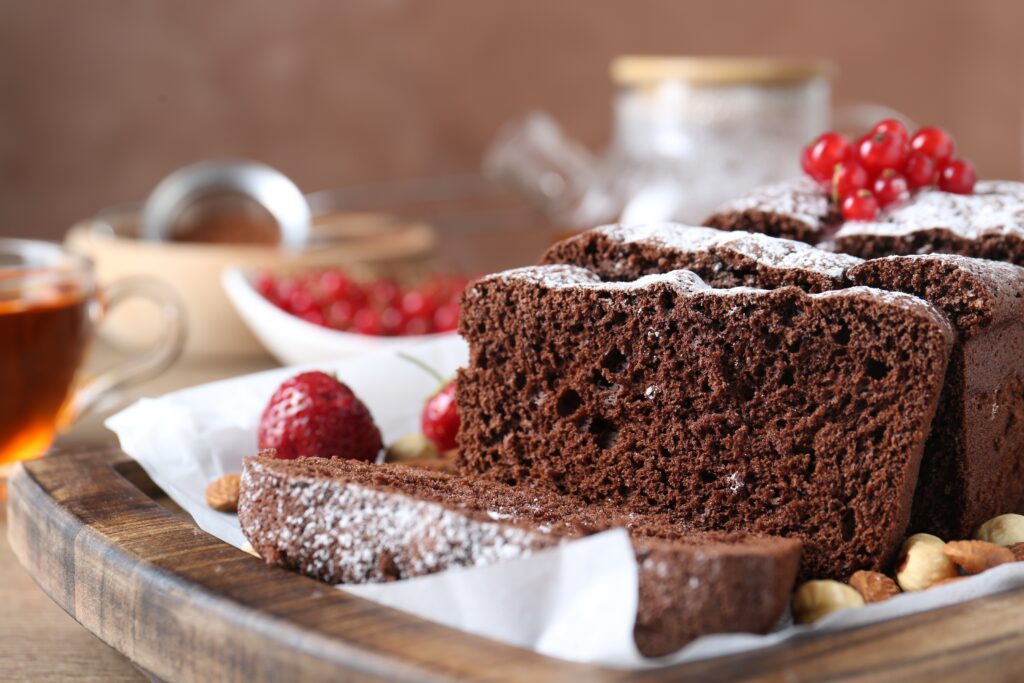
Chocolate Bread
A sweet, cake-like loaf that looks humble but delivers like dessert. In lean times, this was “the treat” — a way to make something sweet without butter or eggs.
Ingredients:
2 cups flour
1 cup sugar
¼ cup cocoa powder
1 teaspoon baking soda
½ teaspoon salt
1 cup water
⅓ cup oil
1 teaspoon vinegar
1 teaspoon vanilla
Instructions:
Preheat oven to 350°F. Mix dry ingredients, then stir in wet ones. Pour into a greased loaf pan, bake 40–45 minutes, and cool before slicing.

Lemon Icebox Pie
In the 1950s, when modern appliances like the “icebox” began to grace more kitchens, home cooks found clever ways to make desserts without ever turning on the oven. The Lemon Icebox Cake became an instant hit—cool, creamy, and effortlessly elegant. Made with pantry staples like condensed milk, lemon juice, and vanilla wafers, it was budget-friendly yet felt indulgent. Its bright, tangy flavor and chilled texture brought a touch of glamour to humble weeknight dinners and summer gatherings alike—a refreshing taste of postwar optimism served straight from the fridge.
Ingredients:
1 graham cracker crust
1 can sweetened condensed milk
½ cup lemon juice
1 teaspoon lemon zest
1 cup whipped cream
Instructions:
Whisk together condensed milk, lemon juice, and zest until thick. Fold in whipped cream, pour into crust, and refrigerate for at least four hours. Serve chilled.
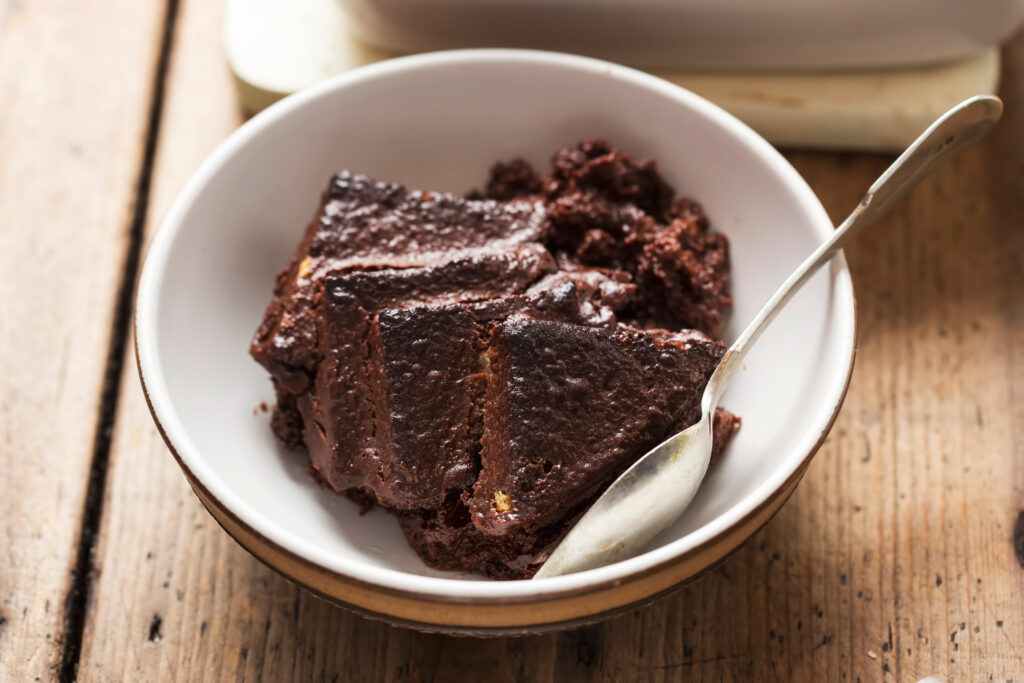
Chocolate Bread Pudding
Nothing went to waste during the Depression—not even stale bread. Chocolate bread pudding gave leftovers new life, turning them into a gooey, custardy dessert that made people forget what they didn’t have.
Ingredients:
4 cups cubed stale bread
2 cups milk
2 eggs
½ cup sugar
2 tablespoons cocoa powder
1 teaspoon vanilla
2 tablespoons melted butter
Instructions:
Preheat oven to 350°F. Whisk milk, eggs, sugar, cocoa, vanilla, and butter together. Pour over bread in a greased dish and let soak 10 minutes. Bake 35–40 minutes until firm and slightly puffed. Serve warm with whipped cream.
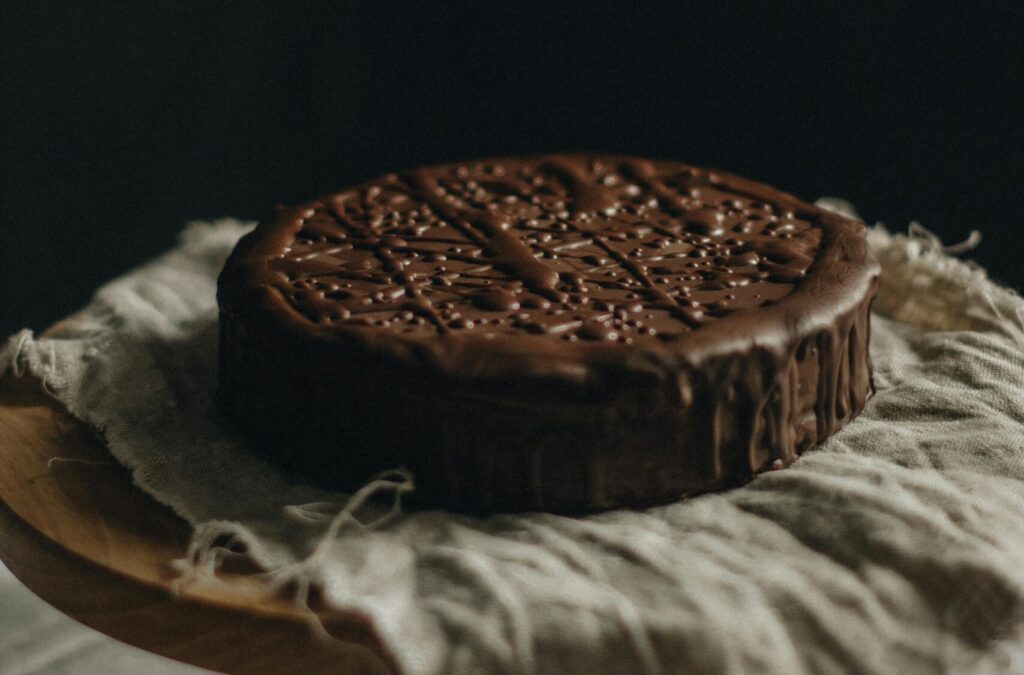
Emergency Chocolate Cake
Even in hard times, people needed something sweet — and this cake was the go-to when butter, eggs, and milk were out of reach. Made entirely with pantry staples, this “emergency” dessert came together fast and satisfied every craving. It’s dense, rich, and beautifully forgiving — a cake that doesn’t need frosting or perfection, just a reason to celebrate getting through another day.
Ingredients:
1½ cups all-purpose flour
1 cup sugar
4 tablespoons unsweetened cocoa powder
1 teaspoon baking soda
Pinch of salt
1 tablespoon vinegar
1 teaspoon vanilla extract
5 tablespoons vegetable oil
1 cup water
Instructions:
Preheat oven to 350°F. Grease an 8×8-inch baking pan. In a mixing bowl, whisk together the flour, sugar, cocoa powder, baking soda, and salt. Add vinegar, vanilla, oil, and water. Stir until the batter is smooth and well combined. Pour into the prepared pan and bake for 30–35 minutes, or until a toothpick inserted in the center comes out clean. Cool before slicing and serving — or eat warm straight from the pan if it’s that kind of day.
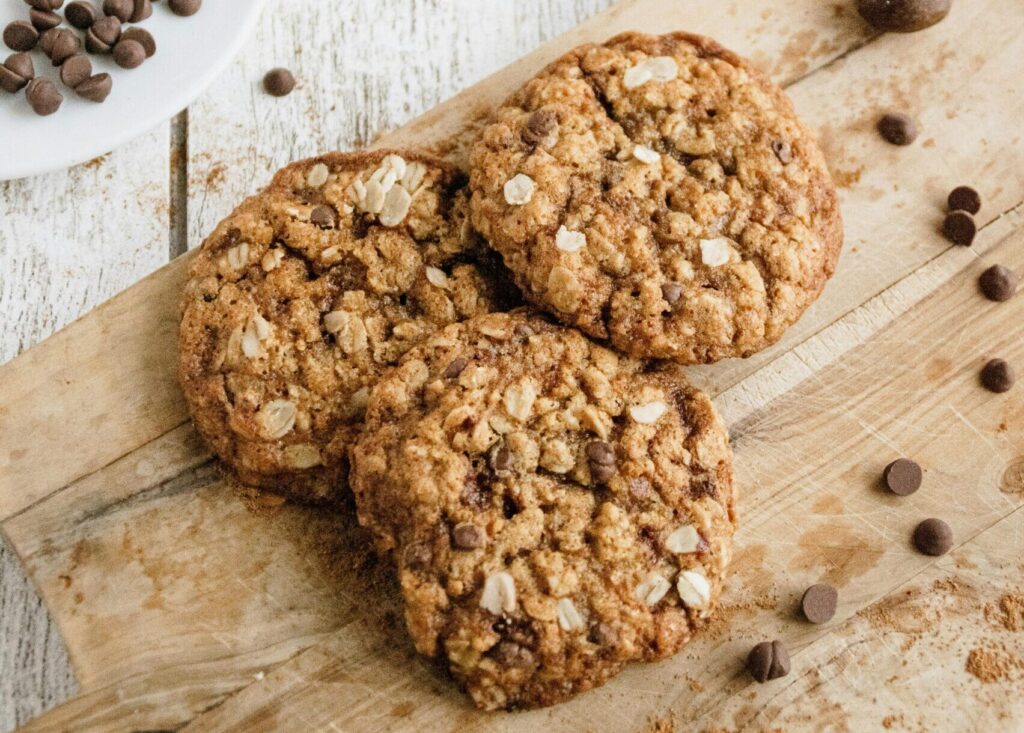
Oatmeal Cookies
Long before chocolate chips made their debut, oatmeal cookies were the humble heroes of the home kitchen. During the Depression and wartime years, when sugar, butter, and eggs were limited, oats offered an affordable way to bake something hearty and sweet. Simple to make and endlessly adaptable, these cookies filled tins and lunch pails across America. Their chewy texture and warm, toasty aroma turned even the hardest days a little softer—proof that comfort could come from the simplest things.
Ingredients:
1 cup flour
½ teaspoon baking soda
½ teaspoon salt
½ teaspoon cinnamon
½ cup butter, softened
½ cup brown sugar
¼ cup white sugar
1 egg
1 teaspoon vanilla
1 ½ cups rolled oats
Instructions:
Preheat oven to 350°F. Cream butter and sugars. Add egg and vanilla. Stir in dry ingredients and oats. Drop spoonfuls on a baking sheet and bake 10–12 minutes. Cool slightly before serving.
Peanut Butter Fudge
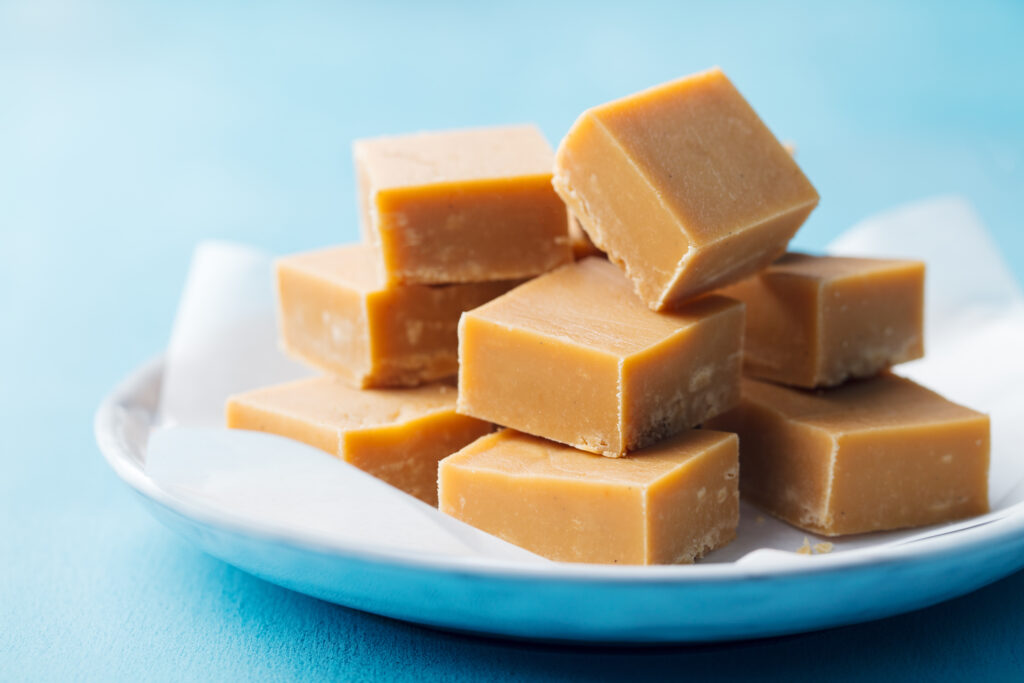
Born from the ingenuity of hard times, peanut butter fudge was the sweet fix that didn’t break the bank. During the Depression and wartime years, when cocoa and butter were scarce or costly, peanut butter became the hero ingredient—rich, filling, and affordable. With just sugar, milk, and a bit of patience at the stove, families could whip up a creamy, satisfying treat that felt indulgent without being extravagant. It was the candy of resilience—simple, sweet, and proof that a little resourcefulness could still make life taste good.
Ingredients:
2 cups sugar
½ cup milk
¾ cup peanut butter
1 teaspoon vanilla
Instructions:
Bring sugar and milk to a boil for 2–3 minutes. Remove from heat, stir in peanut butter and vanilla until smooth. Pour into a greased dish, cool, and cut into squares.
