Food prices have gone off the rails. Eggs, milk, chicken—everything costs more, and it’s easy to feel like eating well is now a luxury. But what if saving money didn’t start in the grocery aisle—it started in the kitchen? The way you cook can make or break your food budget.
Different methods use different amounts of energy, create more or less waste, and change how far your ingredients stretch. The truth is, some cooking styles are naturally more efficient, cheaper, and smarter for your wallet. These are the methods that turn home cooking into a financial strategy, not just a chore.
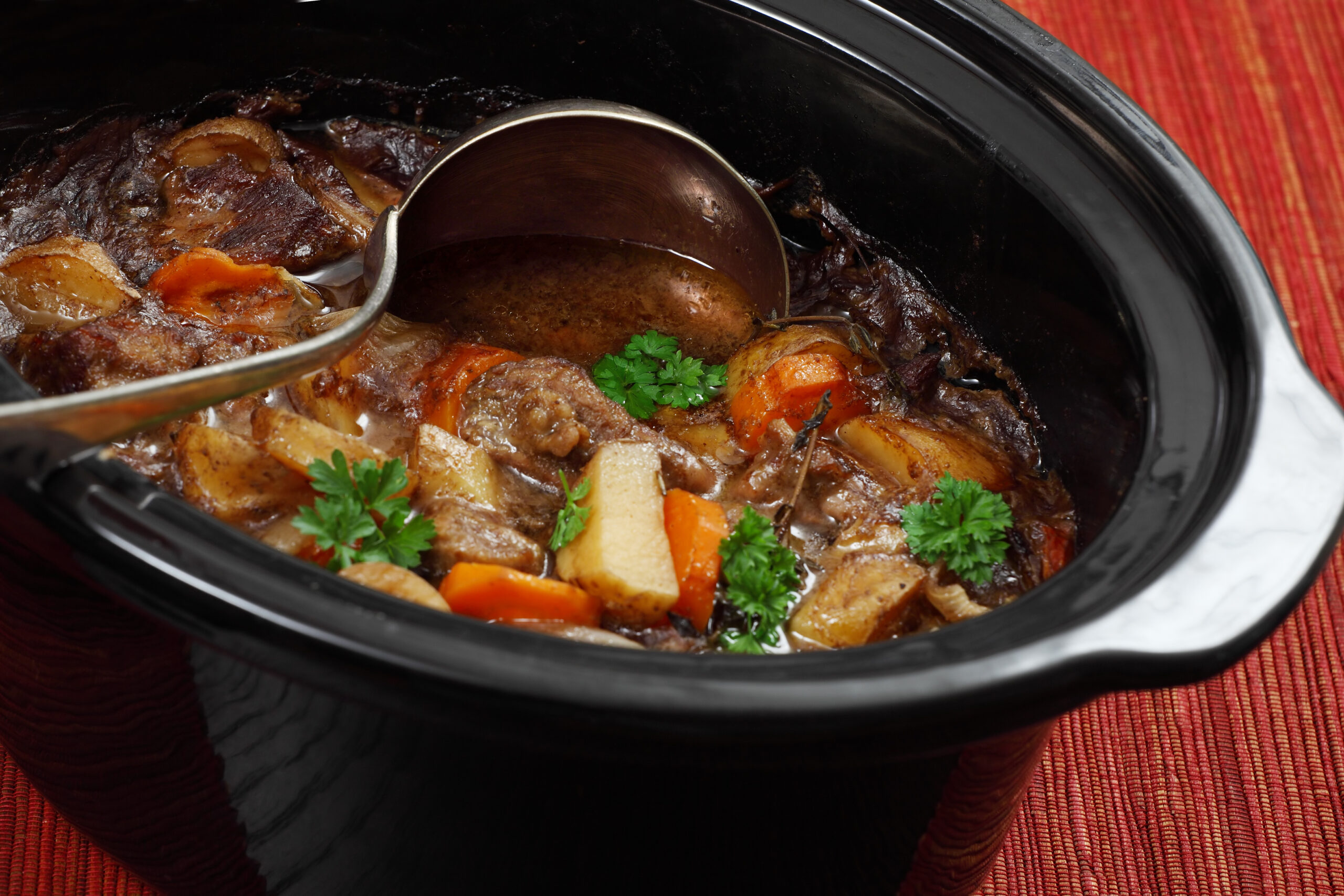
Slow Cooking
The slow cooker is a budget superhero disguised as a pot. It’s all about time over temperature. Cooking low and slow tenderizes cheaper cuts of meat—like chuck roast, pork shoulder, or chicken thighs—turning them into fall-apart goodness without paying for the pricier stuff. It lets you throw in whatever’s in your pantry—beans, lentils, root veggies—and turn it into a full, hearty meal that feels luxurious but costs next to nothing. Energy use is minimal; running a slow cooker all day costs less than ten cents in electricity, compared to more than a dollar for an oven. Because it cooks in one pot, there’s less cleanup, less food waste, and less temptation to eat out because dinner’s already handled. This one tool alone can cut your food budget by thousands a year because it makes cheap food taste expensive and keeps you out of the drive-thru.
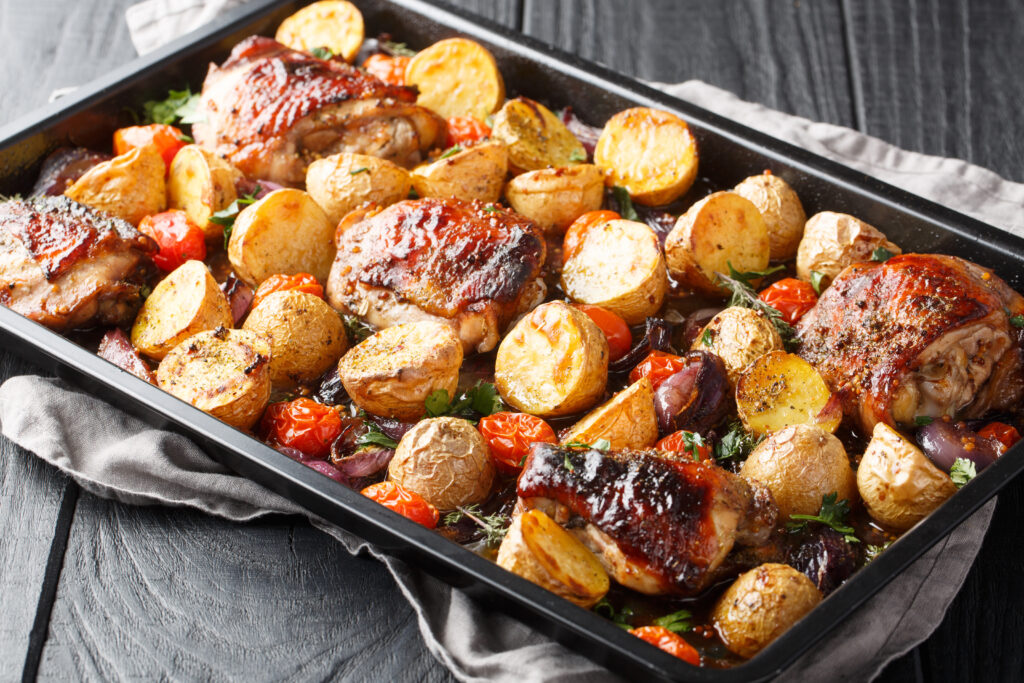
Sheet Pan Cooking
Sheet pan cooking is the grown-up version of “throw it all in and hope for the best.” It’s efficient, creative, and unbelievably forgiving. You spread your protein and veggies on one tray, season them up, and bake. The secret money-saver here is simplicity—everything cooks together, using the same heat and time, which means you’re not running multiple burners or dirtying up a stack of pans. That saves on energy, water, and cleaning supplies. But the real financial win is in reducing waste. Those half-used veggies, random potatoes, or leftover sausage links that would normally go bad in the fridge all get repurposed into a single, balanced meal. You’re squeezing value out of every last grocery dollar, one tray at a time.
Pressure Cooking
Pressure cookers—especially modern electric ones—turn time into money. They cook food up to seventy percent faster than an oven or stovetop, which directly lowers your energy use. But beyond that, they help you cook better with cheaper ingredients. Tough cuts of meat, dried beans, and dense grains all become tender, flavorful, and satisfying under pressure. You’re not just saving time—you’re skipping the markup on convenience foods and canned items. The short cooking time means you can make real meals, fast, even on busy nights. That’s fewer $20 takeout orders, fewer “I’m too tired to cook” excuses, and more leftovers that taste like restaurant food. A pressure cooker pays for itself within a couple of months, just in meals you didn’t order out.
Batch Cooking
Batch cooking is the most strategic money move you can make in a kitchen. You dedicate one day to cooking multiple meals, portion everything out, and let your fridge and freezer do the rest. The savings come from three angles—ingredient efficiency, energy efficiency, and willpower protection. When you plan out meals in bulk, you use overlapping ingredients instead of buying single-use items. One roast chicken becomes three meals instead of one. One pot of rice stretches through the week. You cook once, saving the energy of turning on your stove every night, and you’re less likely to blow your budget midweek because dinner is already waiting. Batch cooking also reduces spoilage because every ingredient has a purpose, and it takes the pressure off your wallet by making takeout unnecessary. It’s not just meal prep—it’s preventative budgeting.
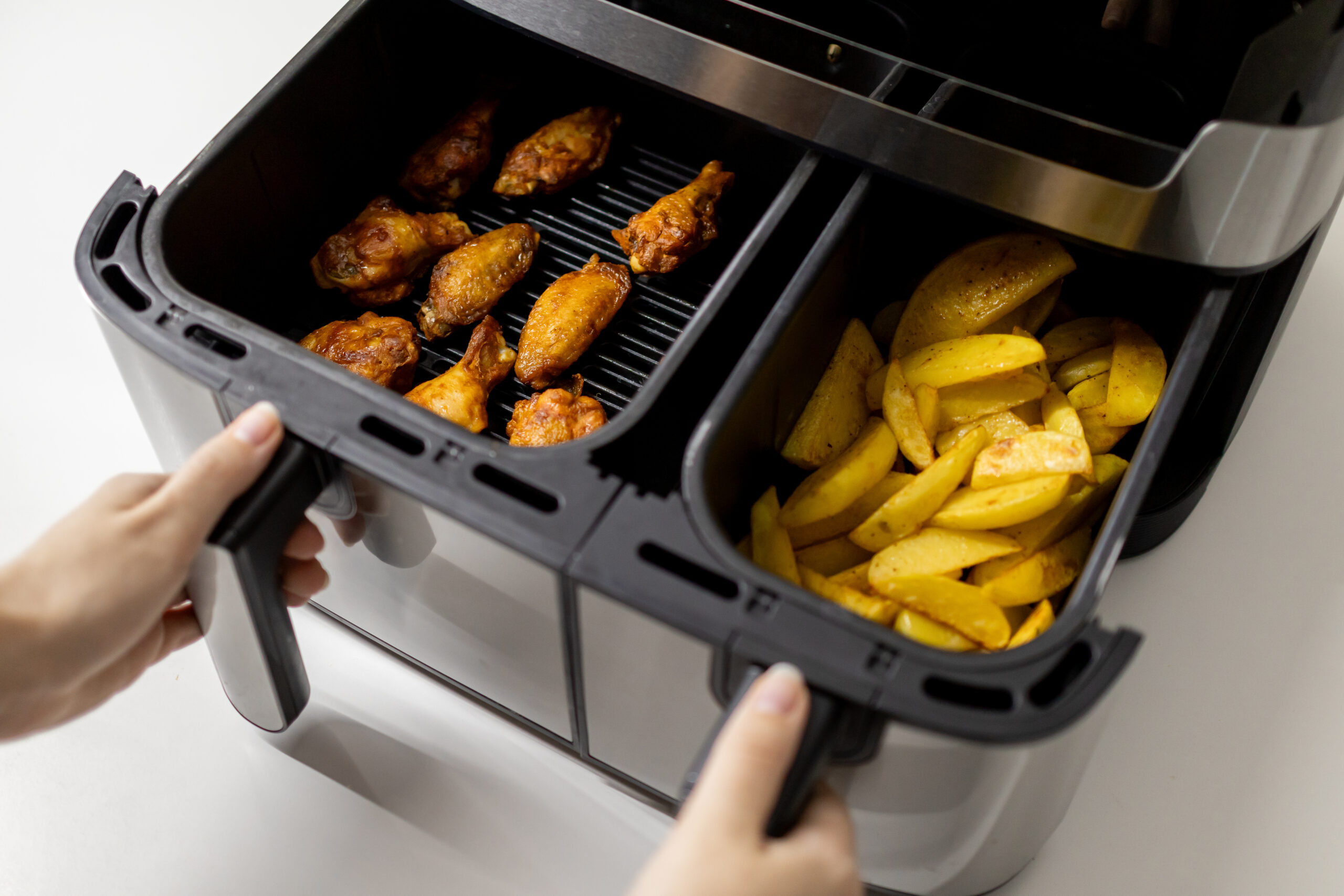
Air Frying
Air frying is what happens when smart meets crispy. This method uses hot air instead of oil to get that same golden crunch, which means you’re spending less on cooking oil and calories. But the real money-saving magic comes from how it handles leftovers. Instead of tossing out soggy fries or half-eaten pizza, the air fryer revives them into something new. Considering the average American household wastes over a thousand dollars worth of food each year, that’s a big deal. Air fryers also use about half the energy of a conventional oven, which keeps your utility bills lower. You’re saving on food, oil, and electricity—and getting better meals in the process.
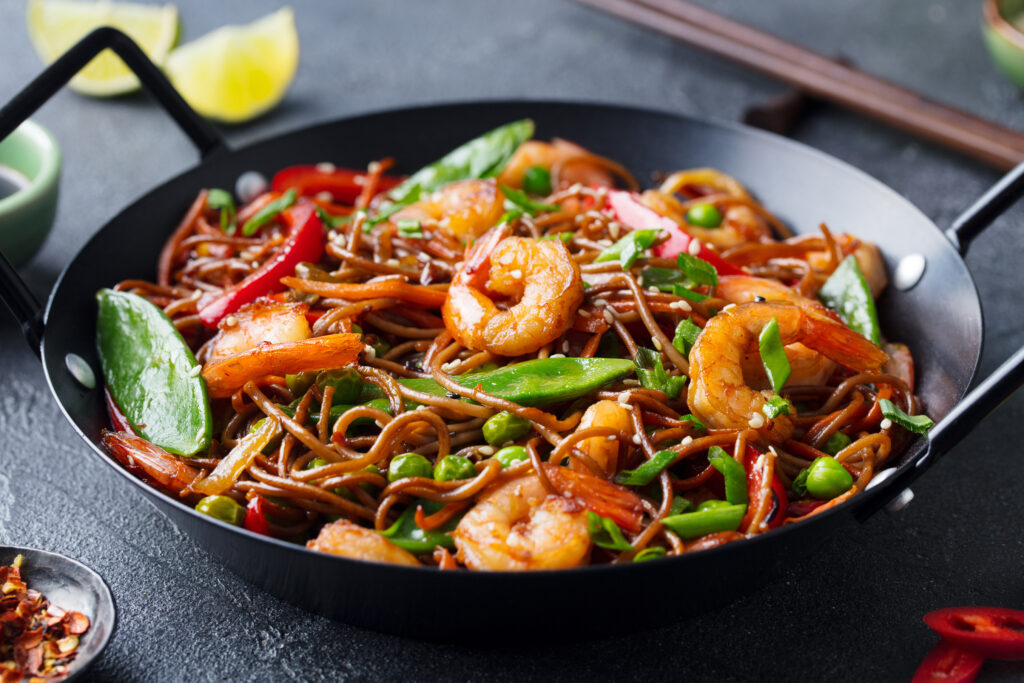 Stir fry noodles with vegetables and shrimps in black iron pan. Slate background. Close up
Stir-Frying
Stir-frying is the perfect example of how technique stretches your dollar. You’re cooking quickly at high heat, which locks in flavor and makes small portions of meat feel satisfying. The focus shifts from protein to vegetables, which are cheaper and fill out the plate. That alone saves money every week, but the real secret is flexibility. Stir-fry doesn’t care what you use—fresh, frozen, or whatever’s about to go bad. Leftover rice, random veggies, one chicken breast—it all goes in. You’re building new meals from scraps, which keeps grocery costs low and food waste nearly nonexistent. Plus, it cooks so fast that your stove is on for a fraction of the time, keeping your power use minimal.
Freezer Cooking
Your freezer is one of the most underrated financial tools in your house. Freezer cooking lets you buy ingredients in bulk when they’re cheap and store them without losing quality. It also gives your future self a safety net—meals ready to go when you’re too tired or broke to cook. Every time you reheat a freezer meal instead of ordering takeout, you’re putting money back in your pocket. It reduces spoilage, lets you shop smarter, and ensures that no food (or dollar) gets left behind. Organized freezer cooking can easily save hundreds each month in reduced waste and emergency spending.
Cooking Smart Beats Cooking Fancy
You don’t need gourmet equipment, high-end ingredients, or a culinary degree to eat well and save money. You just need to understand the logic behind how you cook. Slow cooking stretches ingredients. Sheet pans minimize waste. Pressure cooking saves time and energy. Batch cooking creates a plan that protects your budget from last-minute cravings. Air fryers turn waste into crispy miracles, and stir-frying multiplies what little you have into something fresh and satisfying. Even your freezer—quiet, unassuming—can become the reason you don’t blow your budget this month.
When you add it all up, these methods can easily save between $4000 and $7000 a year for an average household. That’s not small change—that’s debt paid down, savings built up, and breathing room in your budget. Cooking smart isn’t about being cheap—it’s about being in control. Your kitchen is already a financial tool. Use it right, and it’ll feed more than your stomach—it’ll feed your freedom.
