There’s a reason fall feels like the most expensive cozy season of the year. It’s that emotional mix of nostalgia and comfort — a marketing goldmine. Fall spending doesn’t look like overspending. It feels seasonal, small, and justified.
But by November, the credit card bill tells a different story.
That $6 latte, $30 outing, $20 tailgate contribution — all of it adds up quietly, one “it’s only” at a time. By the time the holiday season hits, most people have already burned through what could’ve been their holiday cushion.
But enjoying fall doesn’t require cutting joy. Here’s how to experience the season fully, while staying financially in control — and even setting yourself up for a calmer holiday stretch ahead.
Apple Picking: Instagram vs. Real Life
Apple picking is a budget ambush disguised as a wholesome activity. You pay per person, per pound, and sometimes even for the bags themselves. By the time you’ve taken your photos and hauled your apples home, you’ve paid premium prices for fruit you’ll forget to use.
If what you really want is the experience, think smaller. Go early in the season when prices are lower and the trees are full. Pick what you can actually eat or turn into something — applesauce, cider, a pie, even frozen slices for later baking. That turns the outing into a mini investment instead of a one-time splurge.
And watch the extras: hayrides, corn mazes, and farm stands often tempt you after you’ve already spent. Set a soft cap before you go — and bring cash. The physical limit helps you stay mindful when “just one more” drink or bag of kettle corn calls your name.
Pumpkin Patches
The modern pumpkin patch isn’t what it used to be. It’s part photo studio, part food festival, part amusement park — and it’s priced like it. Between parking, entry, cider, snacks, and that “cute” mini pumpkin you didn’t need, you’re easily out $50–$75 for an afternoon of filtered memories.
Before you go, price the experience like a mini vacation — not a casual errand. Decide how much that memory is worth to you in cash, and cap it there. Bring that amount physically or preload it onto a prepaid debit card so you can’t “accidentally” swipe past it.
Then flip the focus. The real tradition isn’t the location — it’s the ritual.
Buy your pumpkins at a local farm stand (often a third of the price), then make your own “patch night.” Invite friends or family over for a pumpkin carving get-together. Play music, roast the seeds, pour cider, and let the experience happen organically. You still get the fall vibe — minus the crowd and markup.
The savings: easily $50–$100. The value: memories that actually belong to you, not the marketing department.
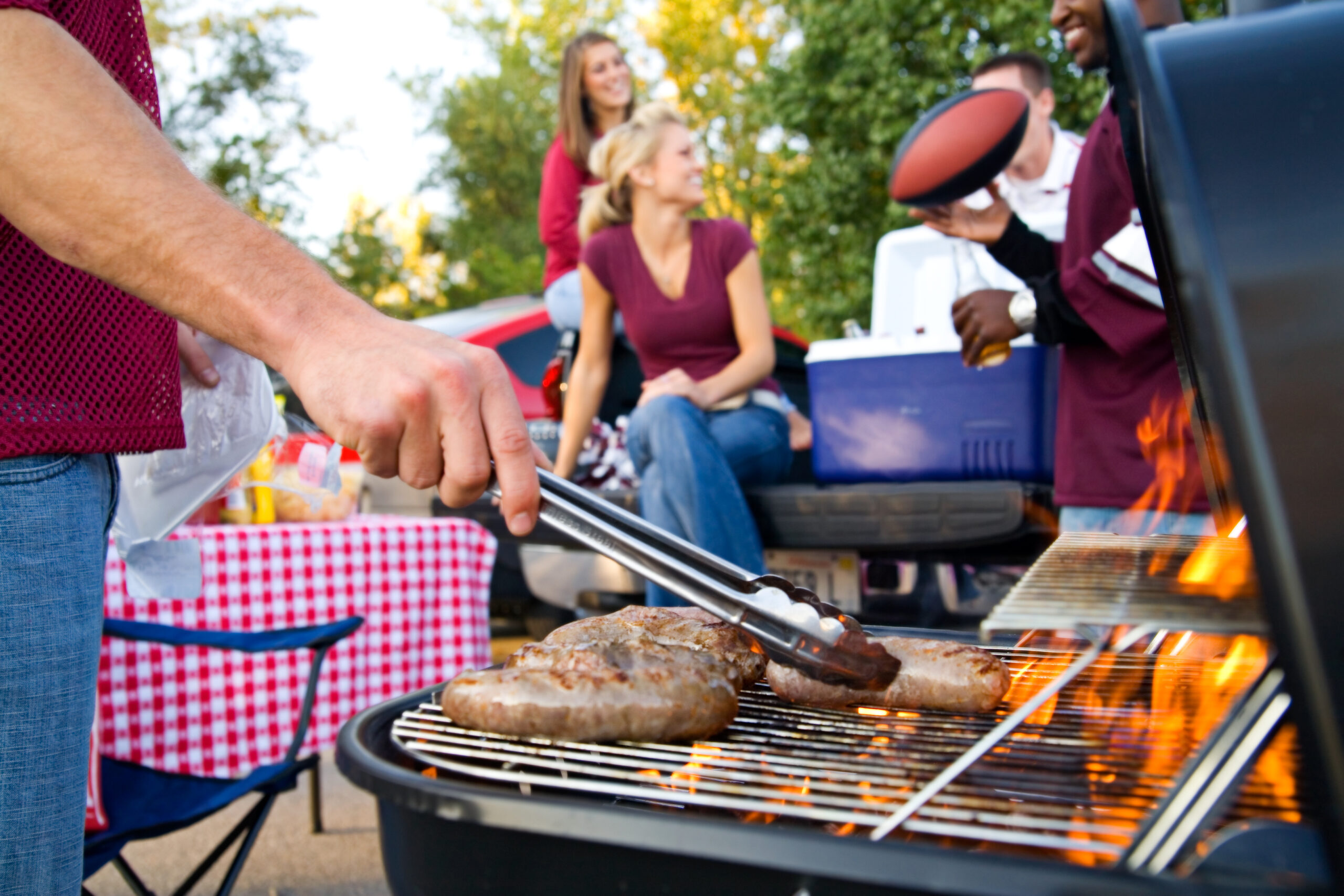
Football, Tailgates, and Game-Day Spending That Spirals
Game day is another budget blind spot. Tickets, parking, snacks, drinks, merch — it’s all fun until you realize your “just one game” weekend cost you $200. Even at home, bar tabs, streaming upgrades, and “I’ll grab snacks” runs add up.
Treat fall like a micro-seasonal spending plan.
If football or tailgates matter to you, assign a set amount for the entire season (say, $150–$200). Divide it by the number of game weekends you’ll realistically watch — that’s your “game day allowance.”
Next, bring back community economics: rotate hosting. Everyone chips in something small — drinks, snacks, wings — but no one shoulders the whole day’s cost. Want to make it more fun? Set “budget challenges” each week, like who can make the best tailgate dish under $10.
If you’re someone who needs the stadium experience, plan it once — not every week. Buy your ticket early, bring your own refillable bottle, and eat before you go. One game that feels intentional beats five that feel financially fuzzy.
Avoid “game day inflation.” Sports spending spikes because emotion overrides logic — you’re social, hyped, and relaxed. Combat it by pre-deciding your spend before kickoff. After a couple of games, you’ll start noticing how easy it is to have the same fun for half the cost.
Halloween Spending
Halloween might be the most deceptive spending event of the season. It feels playful — but Americans spend billions annually on candy, décor, and costumes worn once. And it’s rarely budgeted for. Before you buy anything, dig through what you already own. Old clothes, accessories, craft supplies — combine them. If you’ve got kids, turn it into a “costume lab” activity. You’ll teach them creativity and smart consumerism.
Want something new? Host a Costume Swap Night with friends. Everyone brings past outfits, props, or makeup they don’t plan to reuse. By the end of the night, everyone walks away with a new look — and zero new spending.
Retailers discount Halloween candy and décor by 50–75% starting November 1st. That’s your moment. Stock up for next year, store it in labeled bins, and skip next October’s full-price run. It’s a one-time discipline that saves you money every single year.
Set aside a mini envelope labeled “Halloween.” Even $10–$15 a week covers candy, décor, and costume touches by the time October hits — all cash, no credit.
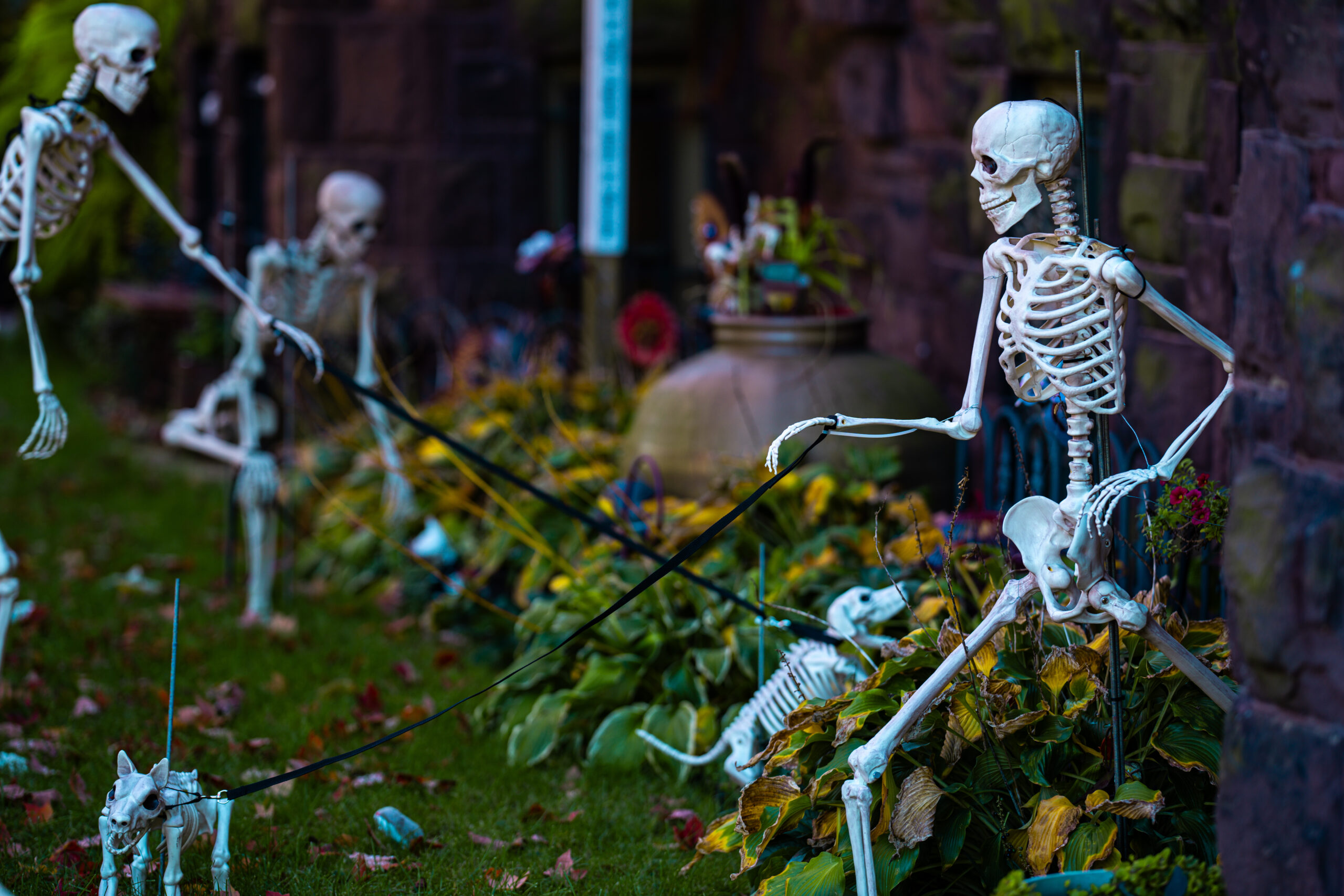
Haunted Houses and Horror Nights: The Price of Fear
Haunted houses used to be neighborhood-run affairs; now they’re productions with full teams, ticket tiers, and VIP skip-the-line passes that can cost $50 or more per person. Amusement park horror nights push that even further, bundling scares with parking, food, and merch — easily crossing the $200 mark for a couple.
If fear is your fun, find local horror events. Many community theaters, parks, or high schools run haunted trails or houses to raise funds. They’re smaller, but the scares are just as good, and your money supports real people instead of corporate events.
For amusement park nights, skip the impulse weekend trip. Go midweek when crowds — and ticket prices — are lower. Carpool to avoid parking fees, eat before you go, and resist “priority” upgrades that only save minutes but add $60 to your bill. You’re there for the adrenaline, not the luxury.
And if you crave that immersive vibe, recreate it. A backyard scare night with friends, spooky lighting, and a Bluetooth speaker playlist of haunted sounds costs next to nothing — and lets you control the intensity and the tab.
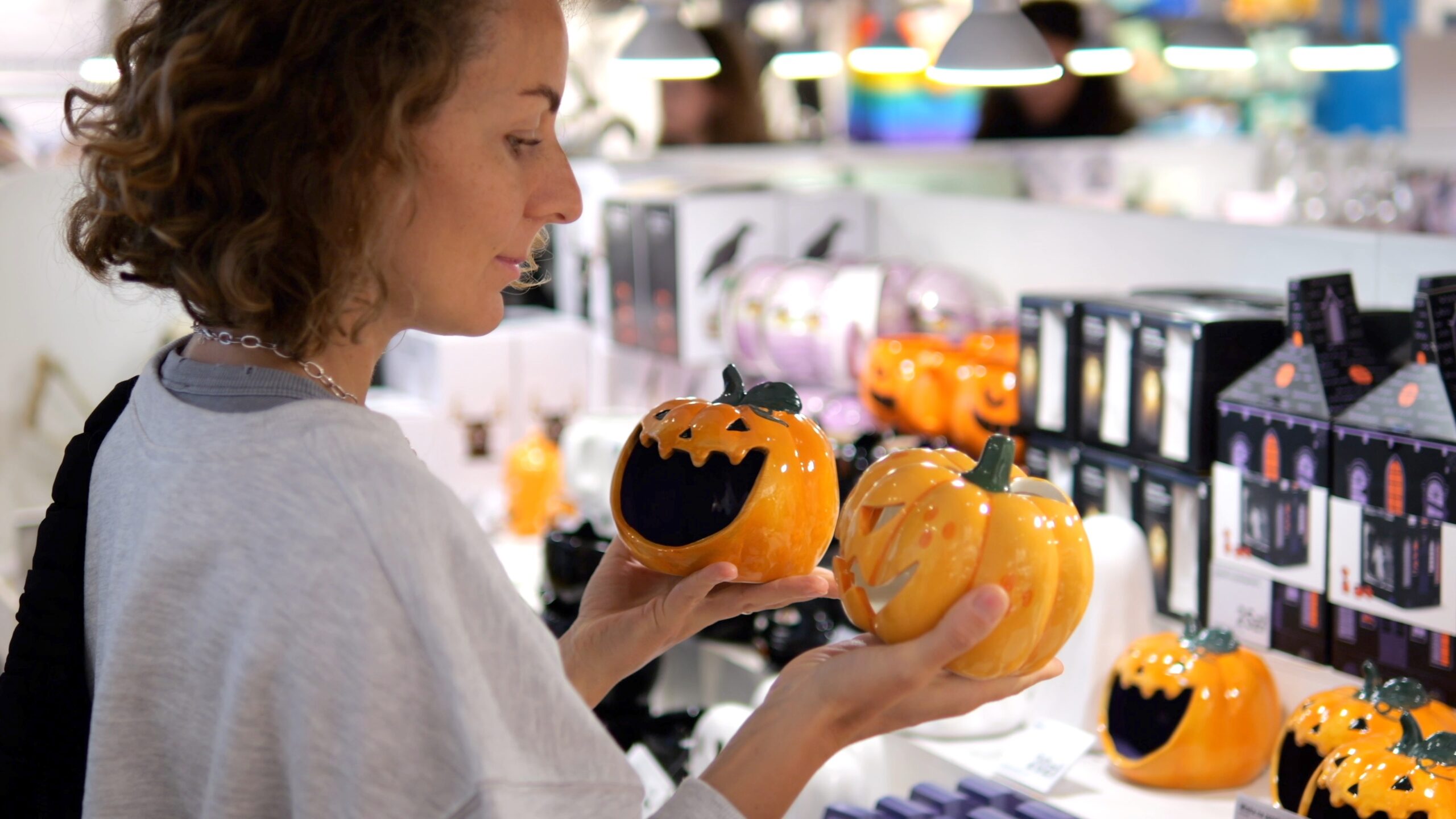
Fall Shopping and Retail Traps: The “Comfort Economy”
Every fall, brands launch “limited edition” everything — scents, sweaters, sales. They’re selling you a feeling: cozy, safe, new. That emotional comfort becomes spending comfort.
Before you buy something “because it feels right for the season,” ask: Is this comfort or marketing? A real comfort purchase sustains your daily life — warm blankets, ingredients for meals you’ll actually cook. Marketing comfort fades after the photo.
Delay purchases 72 hours. Fall triggers emotional spending. Give it time — if it still feels essential three days later, buy it. Cap seasonal refresh budgets. Assign a hard dollar amount for fall-specific items — e.g., $100 for décor, $50 for wardrobe updates.
Pre-shop your space. Go through closets and drawers before hitting “buy.” Often, last year’s candles, coats, or blankets are still perfectly good. You just forgot them. The goal isn’t deprivation — it’s direction. Buy the seasonal peace, not the seasonal pressure.
Here’s the irony of fall: the most satisfying moments don’t cost anything. But because we’re conditioned to “make it special,” we keep spending to prove it’s special.
A perfect fall day can be free. It’s about pacing, not purchasing.
Plan the time, not the expense. Block out a “slow Sunday” on your calendar — no errands, no shopping. Light the candles you already have. Make a long meal that fills the house with warmth. Stream a movie, take a walk under changing trees, or invite friends for soup and bread night.
You’re creating the feeling most people spend hundreds chasing. You just didn’t swipe to get there.
